In today’s fast-paced digital world, texting and online chats are our primary modes of communication.
Sometimes, messages are short, cryptic, or full of slang, making it tricky to fully grasp what someone means.
One term you might stumble across is “quarreling”.
Understanding its meaning is more than just knowing a dictionary definition it helps you navigate social media, texting, and online discussions with confidence.
In this guide, we’ll break down the quarreling meaning, its origin, how it’s used in everyday chat, common mistakes, related slang, and examples that make it super easy to grasp.
Updated for 2026, this article will help you decode digital conversations like a pro.
What Does “Quarreling” Mean? (Definition & Origin)
Quarreling is a term derived from the verb “quarrel,” which means to argue, fight verbally, or have a disagreement with someone. While it has been used in English literature and speech for centuries, in modern texting, quarreling often pops up to describe any heated debate or back-and-forth argument between friends, online users, or even strangers.
Key Points:
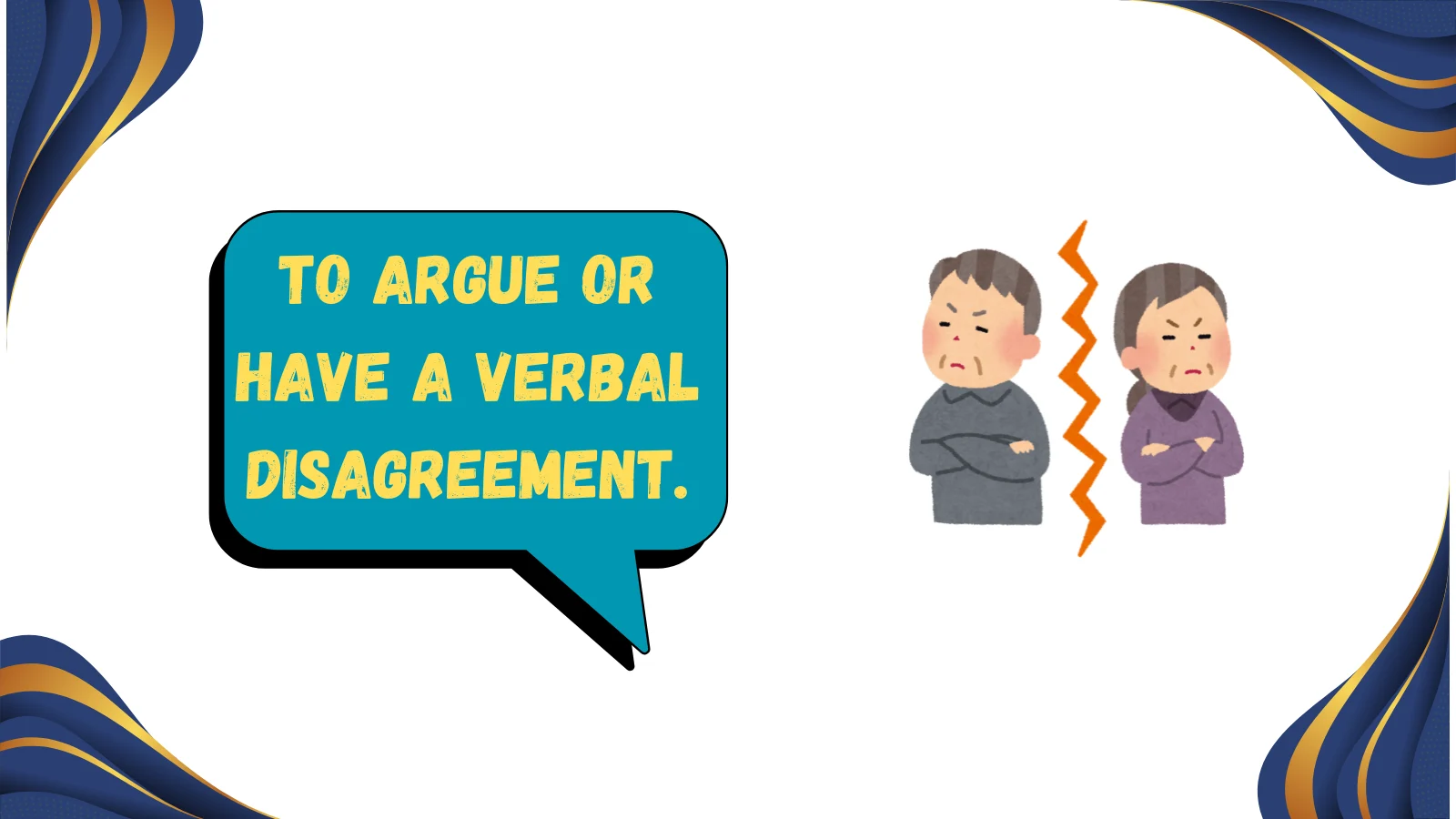
- Definition: To argue or have a verbal disagreement.
- Origin: Middle English, from the Old French word querele meaning complaint or dispute.
- Modern Chat Use: Refers to ongoing arguments in text messages, social media threads, or forums.
Fun Fact: In texting, people might say “they are quarreling” instead of “they are fighting,” which sounds less intense but still communicates tension.
How to Use “Quarreling” in Texts or Chat
Using quarreling in a chat depends on tone and context. It’s slightly formal compared to abbreviations like “arguing” or “fighting,” but it works in friendly banter, group chats, or social media discussions.
Tips for Correct Use:
- Use quarreling to describe verbal disputes, not physical fights.
- ❌ “They are quarreling with baseball bats.”
- ✅ “They are quarreling over who gets the last slice of pizza.”
- Use it in storytelling or explaining situations online.
- Example: “Stop quarreling over the meme, it’s just for fun 😂”
- It can be paired with emojis to lighten the tone in casual chats.
- Example: “Me and my brother are quarreling again 😅”
Contexts Where It Fits:
- Group chats with friends
- Social media threads (Twitter/X, Reddit, Facebook)
- Online forums or Discord servers
Examples of “Quarreling” in Conversations
Seeing examples in real-life situations helps you understand quarreling meaning in context. Here are some scenarios:
- Friend Group Chat
- Alice: “Why are you guys still quarreling about the party time?”
- Bob: “Because no one wants to compromise 😒”
- Social Media Post
- “Stop quarreling in the comments! Let’s enjoy the video instead 🤷♂️”
- Text Between Siblings
- Brother: “You ate my cookies!”
- Sister: “We’re quarreling over cookies again?”
Notice how in all cases, quarreling describes a verbal argument rather than physical confrontation, making it perfect for chats.
Common Mistakes or Misunderstandings
Even though quarreling is straightforward, people sometimes misuse it in texting:
Mistakes to Avoid:
- Using it for physical fights – it should describe verbal disputes.
- Overusing in casual texts – it can sound formal among friends.
- Confusing it with “arguing aggressively” – quarreling is usually light to moderate tension, not extreme rage.
Quick Tip: If you want to sound casual, combine it with emojis or phrases like “haha” or “lol” to soften the tone.
Related Slangs or Abbreviations
If you’re diving into online chat language, it helps to know other slang terms related to quarreling:
- Arguing – General back-and-forth disagreement.
- Beefing – Common in social media to describe ongoing feuds.
- Throwing shade – Subtle way of criticizing someone online.
- Roasting – Humorous insults that can lead to quarreling.
- Squabble – A light, often trivial argument, similar to quarreling.
Using these terms interchangeably can help you sound more fluent in modern texting culture.
How to Handle Quarreling in Chats
Sometimes you might find yourself in the middle of quarreling online. Here’s a quick guide to navigating it:
- Stay Calm – Don’t escalate the argument with harsh words.
- Use Humor – Emojis or playful remarks can diffuse tension.
- Agree to Disagree – Sometimes it’s best to step back and end the quarreling.
- Clarify Misunderstandings – Often, quarrels happen because of miscommunication in text.
By understanding the quarreling meaning, you can respond thoughtfully and avoid unnecessary drama.
7 Short FAQs About “Quarreling”
1. Is quarreling the same as fighting?
No, quarreling usually refers to verbal arguments, not physical fights.
2. Can I use quarreling in casual texts?
Yes, but pair it with emojis or casual phrases to sound friendly.
3. Is quarreling formal or informal?
It’s slightly formal but works in online conversations if used carefully.
4. What’s the difference between quarreling and arguing?
Arguing can be more general; quarreling implies ongoing back-and-forth tension.
5. Can quarreling appear in social media posts?
Absolutely, especially when describing debates or comment threads.
6. Are there abbreviations for quarreling?
Not widely, but you might see “arguing” or “sqbl” (for squabble) in some chats.
7. Is quarreling negative?
Not always—it can be playful or lighthearted, depending on context.
8. How can I stop quarreling in a chat?
Use humor, clarify misunderstandings, or agree to disagree.
Conclusion
Understanding the quarreling meaning is key to navigating today’s texting and online chat culture.
Whether it’s playful banter with friends, heated debates in comment threads, or mild disagreements in group chats, knowing when and how to use this term makes your communication smoother and clearer.
Remember: quarreling is about verbal disputes, not physical fights, and pairing it with context or emojis can make your messages relatable and friendly.