Texting and online chats are full of words, abbreviations, and slang that sometimes leave us scratching our heads.
One such term you’ve probably encountered is “idiot.”
Whether it pops up in social media comments, DMs, or group chats, understanding its meaning, origin, and usage can save you from awkward misinterpretations.
In this guide, updated for 2026, we’ll break down what “idiot” means, how to use it in texts, examples from real conversations, common mistakes, and even related slang.
By the end, you’ll not only know what it means but also how to use it correctly and confidently online.
What Does “Idiot” Mean? (Definition & Origin)
Definition
At its core, “idiot” is a term used to describe someone who is acting foolishly or lacking common sense. While traditionally it was a serious insult, in modern texting and social media, it’s often used jokingly among friends.
- Example:
“You forgot your homework again? You’re such an idiot 😂”
Here, it’s playful rather than offensive.
Origin
The word “idiot” comes from the Greek word idiotes, meaning “private citizen” or “one who lacks professional skill or knowledge.” Over centuries, its meaning shifted toward describing someone perceived as unintelligent.
Fun fact: In texting culture, context is key. Among friends, calling someone an idiot can be endearing or funny, but in professional or formal settings, it’s definitely offensive.
How to Use “Idiot” in Texts or Chat
Using “idiot” correctly depends on your relationship with the recipient and the tone of the conversation. Here’s how it’s commonly used online:
Friendly or Playful Usage
- When teasing a friend:
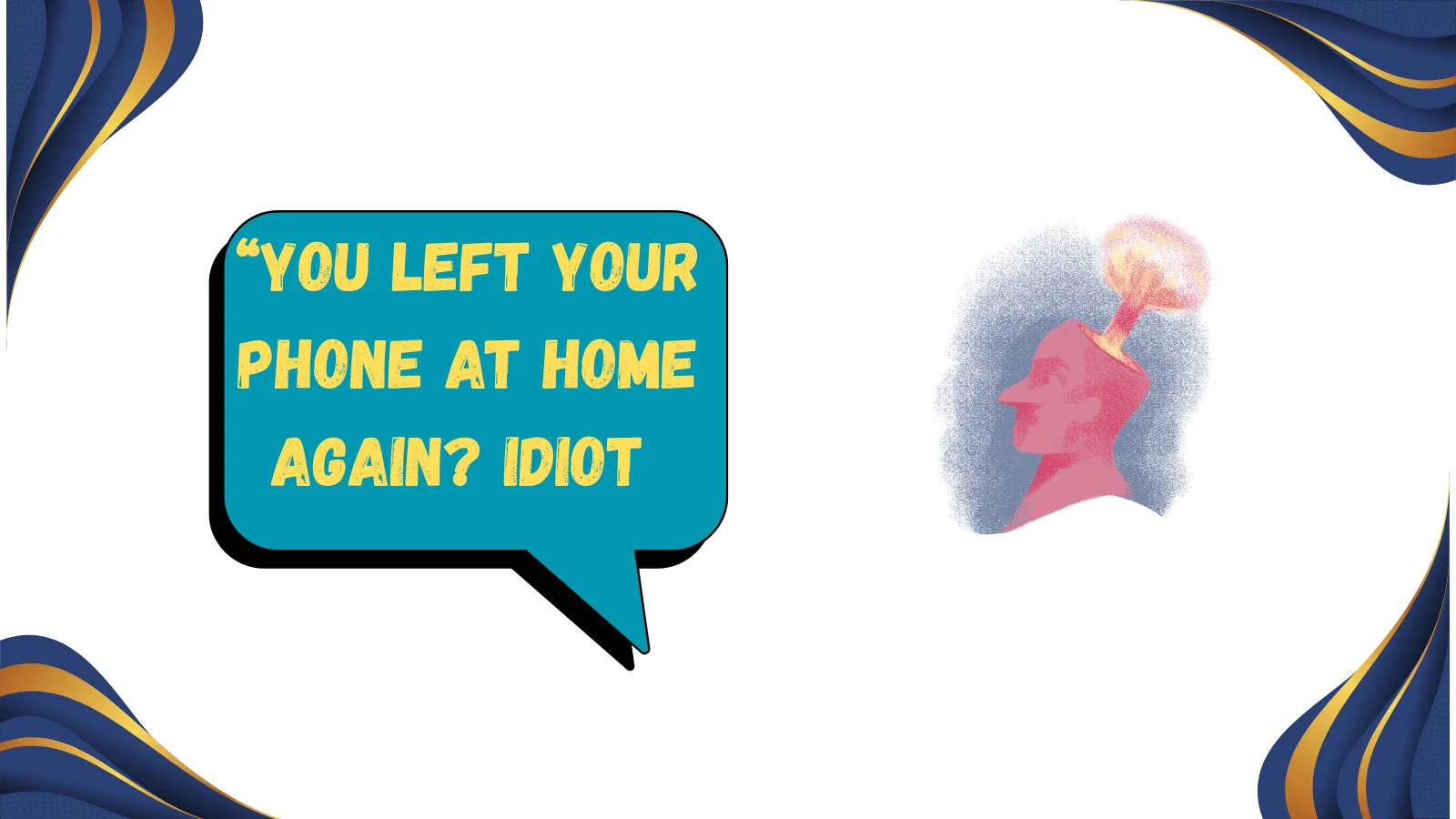
“You left your phone at home again? Idiot 😆” - Reacting to a silly mistake:
“I just spilled coffee all over my notes… idiot me ☕️”
Sarcastic or Light-Hearted Tone
- Commenting on funny situations online:
“He tried to fix his laptop with a hammer… idiot!”
Warning: Avoid in Formal Contexts
Using “idiot” with coworkers, teachers, or in public professional forums can come across as rude or aggressive. Stick to casual or humorous conversations.
Examples of “Idiot” in Conversations
Seeing real-life examples can help you grasp proper usage. Here are a few scenarios:
- Group Chat with Friends:
- Friend 1: “I forgot my wallet again.”
- Friend 2: “Classic idiot 😎”
- Social Media Comment:
- Post: A meme about someone falling off a treadmill.
- Comment: “That’s the idiot award of the year 😂”
- Self-Deprecating Humor:
- Text to best friend: “I just texted my crush the wrong emoji… idiot me 😩”
Tip: Emojis often soften the impact of the word, making it playful rather than insulting.
Common Mistakes or Misunderstandings
Even simple words like “idiot” can cause confusion if misused.
- Mistake 1: Using it in professional emails or messages.
Wrong: “You forgot the report, idiot.” → Never do this at work. - Mistake 2: Ignoring context.
- Among friends, it’s funny. Among strangers, it’s offensive.
- Mistake 3: Overusing it.
- Using “idiot” too frequently in group chats can make it lose humor and feel mean-spirited.
Related Slangs or Abbreviations
Here are some other words and abbreviations that are similar to “idiot” in texting culture:
- Noob / Newb: Refers to someone inexperienced or clueless.
“You’re such a noob at this game 😂” - Dumb / Dumbass: Slightly stronger, can be playful or insulting depending on tone.
- Silly / Goof: A softer, friendlier alternative.
“Don’t be a goof, come on!” - LOL / LMAO: Often used with “idiot” to indicate humor:
“You missed the bus again, idiot LOL”
Pro tip: Pairing “idiot” with laughing emojis or acronyms helps communicate that it’s meant playfully.
Practical Tips for Using “Idiot” Correctly
To use “idiot” safely in texting or online chats:
- Know your audience – Only use it with people who understand your humor.
- Add context – Emojis or laugh reactions make it playful.
- Avoid formal settings – Professional emails, LinkedIn comments, or school submissions are off-limits.
- Self-deprecate – Using it on yourself is usually safe:
“I just sent the wrong file… idiot me 😅” - Combine with playful tone – Sarcasm, memes, and exaggeration work well.
Short FAQs About “Idiot Meaning”
- Q: Is “idiot” offensive?
A: Context matters. Among friends, it can be playful; in formal situations, it’s offensive. - Q: Can I use “idiot” in professional chats?
A: No. Avoid it in workplace or academic settings. - Q: Is there a shorter abbreviation for “idiot”?
A: Not commonly. People usually write it in full. - Q: What emojis pair well with “idiot”?
A: 😂, 😅, 🤦, 😎 are common to soften the term. - Q: Can I call myself an idiot?
A: Yes! Self-deprecating humor is generally safe and relatable. - Q: Is “idiot” still popular in 2026 texting culture?
A: Yes! It’s widely used for joking among friends and in memes. - Q: Are there polite alternatives?
A: Try “silly,” “goof,” or “dunce” for playful contexts. - Q: Can “idiot” be used online in comments?
A: Absolutely, as long as your tone is humorous and audience understands the joke.
Conclusion
Understanding “idiot meaning” in texting and online culture is essential for smooth communication in 2026.
It can be playful, humorous, or insulting depending on context.
Use it wisely with friends, pair it with emojis for a light-hearted effect, and always avoid formal situations.
By learning the nuances of this word, you can join the fun in group chats, memes, and social media without accidentally offending anyone.