In today’s world, whether you’re texting your friends, scrolling through social media, or participating in online forums, numbers and abbreviations are everywhere.
One term that often pops up, especially in chats related to school, homework, or even casual discussions about stats, is “mean”. But what does mean meaning maths really signify?
Understanding this term is crucial not just for acing your math assignments but also for communicating clearly in digital conversations.
Believe it or not, using it correctly in chats can make you look smart, precise, and even a little nerdy in the best way possible!
Let’s dive into the world of mean in maths, explore its origins, examples, and how you can use it confidently in your texts and chats.
What Does “Mean” Mean in Maths? (Definition & Origin)
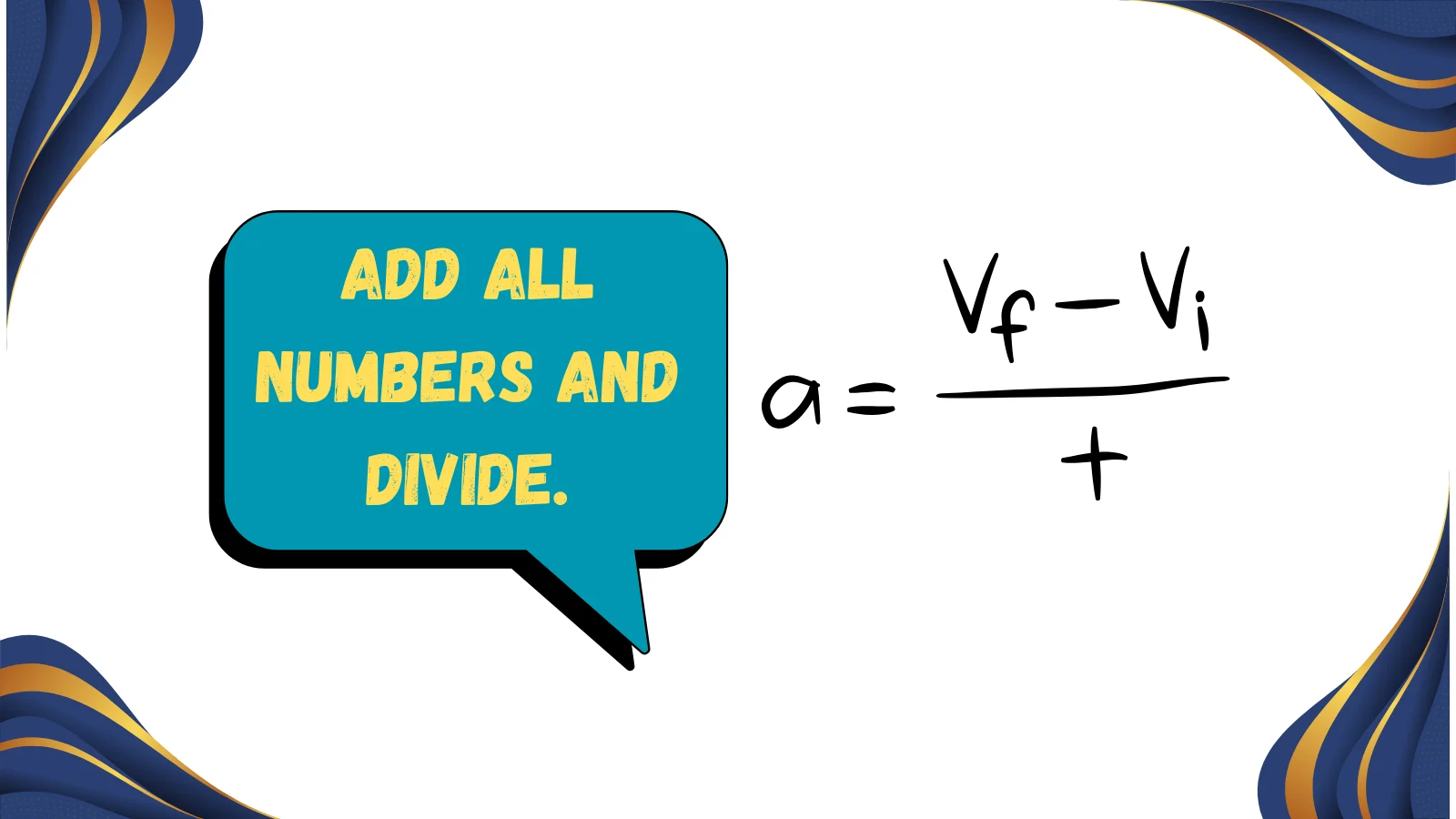
In the simplest terms, the mean in maths is a type of average. When someone talks about the “mean” of a set of numbers, they are referring to the value you get when you add all the numbers together and then divide by how many numbers there are.
Formula:Mean=Total number of numbersSum of all numbers
Example:
If your friend shares their quiz scores with you: 8, 10, 6, and 12, the mean would be:Mean=48+10+6+12=436=9
So, the mean score is 9.
Origin:
The concept of the mean has been around for centuries, dating back to early mathematicians who wanted a single number to represent a set of data. Today, it’s widely used in statistics, finance, science, and everyday life.
How to Use “Mean” in Texts or Chat
While “mean” is a classic math term, it occasionally pops up in chats and texts—especially among students, teachers, and math enthusiasts.
- Study groups: “Hey, what’s the mean of these quiz scores?”
- Homework help forums: “Can someone explain the mean meaning maths for this dataset?”
- Casual chats with friends: “My average steps this week are low. My mean is just 4k/day 😅”
Using mean correctly can prevent confusion and make your explanations clear and professional—even in casual texting.
Examples of “Mean” in Conversations
Here are a few funny and relatable examples you might see online or in your group chats:
- Student chat:
- Alex: “I got 7, 9, 8 on my tests 😭”
- Sam: “Chill, the mean is 8. You’re doing fine!”
- Fitness group:
- Friend 1: “Ran 3k, 5k, and 4k this week”
- Friend 2: “Your mean distance is 4k. Not bad!”
- Social media meme:
- Caption: “When you check your mean score and realize your one bad day ruined the average 😅”
Common Mistakes or Misunderstandings
Even though it seems simple, many people mix up mean, median, and mode.
- Mean vs Median:
- Mean: Add all numbers and divide.
- Median: The middle value when numbers are ordered.
- Mean vs Mode:
- Mode: The most frequently occurring number.
Quick tip: If your dataset has extreme values, the mean might be misleading. That’s why sometimes the median is a better representation.
Texting mistakes:
- Using “mean” when you actually mean “median.”
- Confusing it with the slang meaning of “mean” (like “rude” or “harsh”) in casual chat. Context matters!
Related Slangs or Abbreviations
In online chats, math terms often mix with slang. Here are some related terms you might encounter:
- Avg: Short for “average,” often interchangeable with mean.
- Med: Short for median.
- Stdev: Standard deviation, a step beyond mean for more serious stats nerds.
- LOL at my mean score 😭 – slang plus math!
Knowing these related terms makes your chats more precise and sometimes, funnier!
How to Use “Mean” Correctly in Different Contexts
Social Media
- Twitter/Facebook: “Just calculated my mean followers per post 😎”
- Instagram stories: Fun facts or stats about your week or achievements.
Texting
- Group chats: Use it when summarizing numbers to keep conversations concise.
- Homework help: Quickly explain your results without long paragraphs.
Forums & Online Learning Platforms
- StackExchange, Reddit, Quora: Use “mean” correctly to answer math questions and show authority.
FAQs About “Mean Meaning Maths”
- Q: Is mean the same as average?
A: Yes! The mean is one type of average, calculated by summing numbers and dividing by the count. - Q: Can mean be a decimal?
A: Absolutely! For example, the mean of 1, 2, and 4 is 2.33. - Q: What’s the difference between mean, median, and mode?
A: Mean = average, Median = middle number, Mode = most frequent number. - Q: Can mean be negative?
A: Yes! If your numbers are negative, the mean can also be negative. - Q: Is “mean” used in texting outside math?
A: Sometimes, but context matters—it can also mean “rude” or “harsh.” - Q: How do I calculate mean quickly?
A: Add all numbers, then divide by the total count. Use a calculator for big datasets. - Q: Why is mean important?
A: It gives a simple summary of a dataset, helping you compare and analyze numbers easily. - Q: Can I use mean in casual conversations?
A: Totally! Just make sure your audience knows you’re talking about numbers.
Conclusion
Understanding mean meaning maths is not just for students—it’s a handy tool for anyone who communicates numbers in chats, social media, or work. Remember:
- The mean is the average of a dataset.
- Don’t confuse it with median, mode, or slang uses of “mean.”
- Use it in study groups, forums, or casual texts to summarize numbers clearly.